
Recipes from Middle-earth by Harp_of_Gold
Fanwork Notes
- Fanwork Information
-
Summary:
A collection of recipes that might be found in Middle-earth, from many places, times, and peoples.
Originally posted for Tolkien Food Week.
Major Characters: Bilbo Baggins, Eöl
Major Relationships:
Genre: In-Universe Artifact, Nonfiction/Meta
Challenges:
Rating: General
Warnings:
Chapters: 6 Word Count: 2, 160 Posted on Updated on This fanwork is a work in progress.
Bag End Scones
Read Bag End Scones
"A big jug of coffee had just been set in the hearth, the seed cakes were gone, and the dwarves were starting on a round of buttered scones when there came--a loud knock. Not a ring, but a hard rat-tat on the hobbit's beautiful green door."
There are many good scone recipes; this is my family's.
Ingredients:
3 cups all purpose flour
2 1/2 teaspoons baking powder
1/2 tsp baking soda
1 tsp salt
1/2 cup granulated sugar
3/4 cup butter or margarine (12 tablespoons or 1 1/2 sticks)
3/4 cup raisins or currants (soak briefly in hot water then drain if dry or sticky)
1 cup buttermilk OR milk or nut/oat milk with a splash of lemon juice
Preheat oven to 400° F.
Combine dry ingredients; cut in butter until mixture resembles fine crumbs.
Stir in raisins.
Add milk slowly while stirring until a dough forms and clings together (you may not need the full amount of milk; buttermilk is thicker and you may need a little more.) Dough should hold together as a mass. It should be soft but not super sticky or wet.
Turn out onto a well-floured board. Pat or roll out to 1/2" thick.
Cut into rounds with a floured biscuit cutter or the rim of a glass.
Place on greased baking tray or cake pan with sides almost touching.
Bake for 10-12 minutes, until tops are just starting to turn golden.
Serve warm with butter and jam. Makes 16-18.
Variations: you can add in all sorts of things. try fresh blueberries, the zest of an orange with raisins or dried cranberries, or 1 tsp of dried lavender blossoms with the zest of a lemon.
Chapter End Notes
I'll add measurements by weight when ao3 is back
Bilbo's Seed Cake
Read Bilbo's Seed Cake
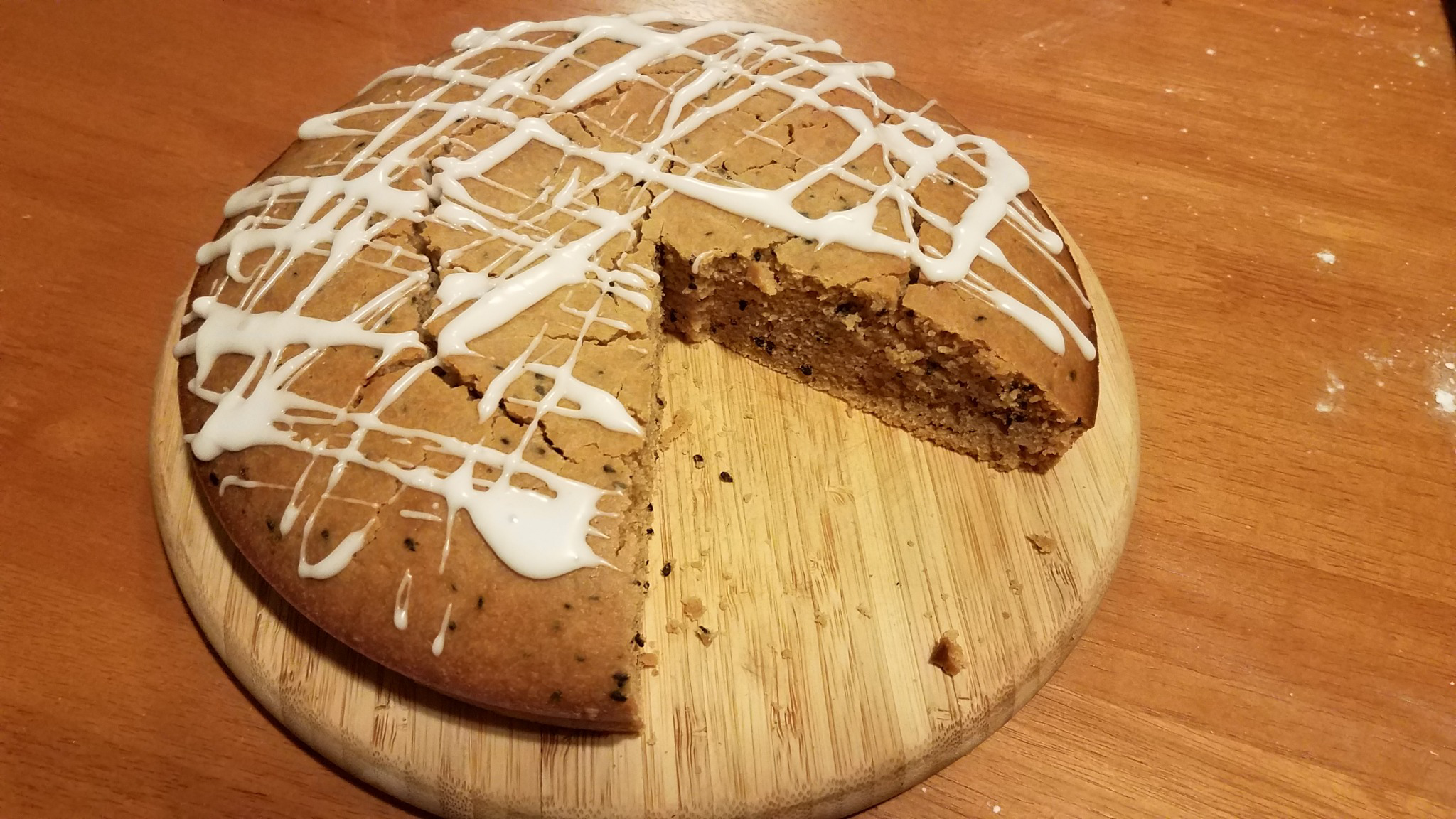
"A little beer would suit me better if it is all the same to you, my good sir," said Balin with the white beard. "But I don't mind some cake--seed-cake, if you have any."
"Lots!" Bilbo found himself answering, to his own surprise; and he found himself scuttling off, too, to the cellar to fill a pint beer-mug, and then to a pantry to fetch two beautiful round seed-cakes which he had baked that afternoon for his after-supper morsel.
Ingredients:
1 cup (225 ml) milk (any kind)
1 packet yeast (1/4 oz or 7g)
1/2 cup butter or margarine (1 stick or 113g)
3/4 cup (140g) brown sugar
3/4 tsp salt
1 heaped tbsp seeds (poppy, aniseed, coriander, sesame, etc. I'm using black sesame here)
1/4 tsp nutmeg (optional)
1 egg
2 1/2 cups (315g) all purpose flour
Preheat oven to 350° F.
Heat milk to lukewarm (around body heat) and stir in yeast and a pinch from the measured sugar. Let stand while preparing other ingredients.
Melt margarine and beat in sugar, salt, seeds, nutmeg, and egg.
Add flour and yeast mixture to bowl (yeast should be bubbly, if not try again with a fresher packet).
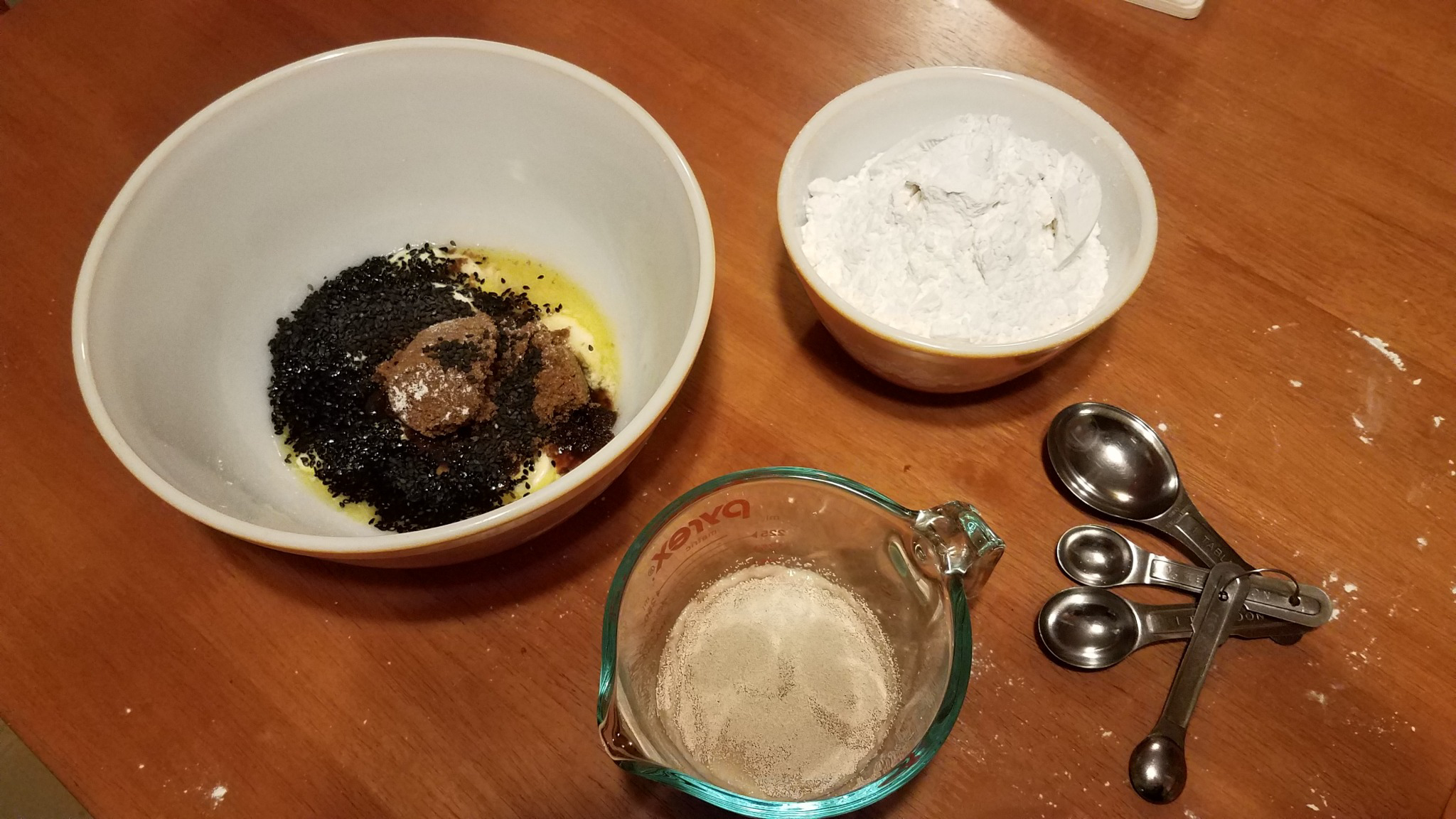
Stir to combine. Beat with spoon or in mixer with dough hook for a few minutes until silky smooth. You should have a thick but liquid batter.
Grease a round cake pan (8" or 9" will work).
Pour batter into pan, cover, and let rise for 30 minutes to an hour.
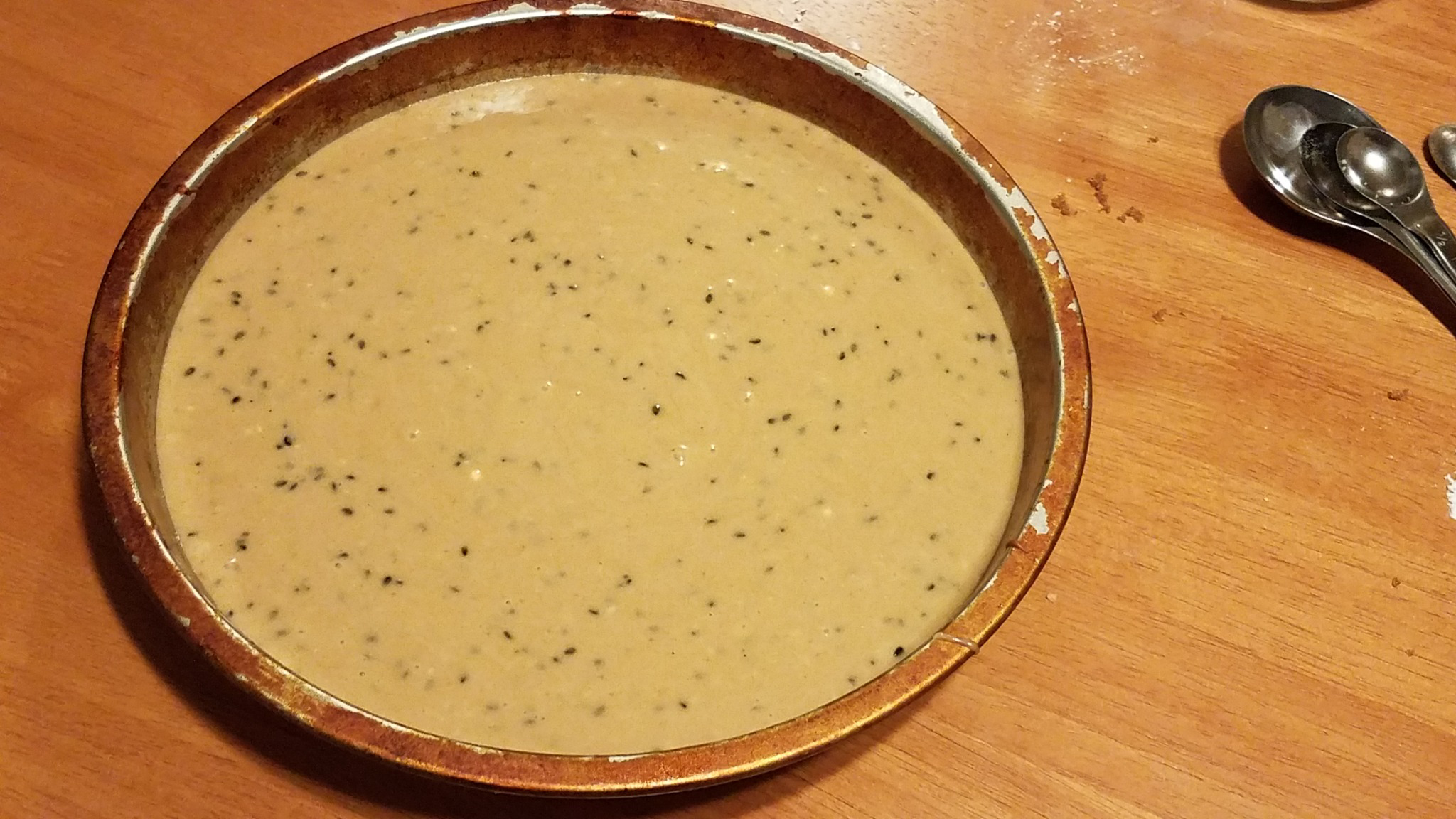
Bake for 40-45 minutes, until a knife inserted in middle comes out clean and the top is golden-brown.
For optional glaze, take a few tablespoons of powdered (icing) sugar and whisk in a little milk or juice, a few drops at a time, until you reach a thick, drizzlable consistency. A little rosewater or orange zest is great as flavoring here. Then drizzle over the top of the completely cooled cake. (I used lemon juice and rosewater.)
Gwaith-i-Mírdain Hot Mulled Wine
Read Gwaith-i-Mírdain Hot Mulled Wine
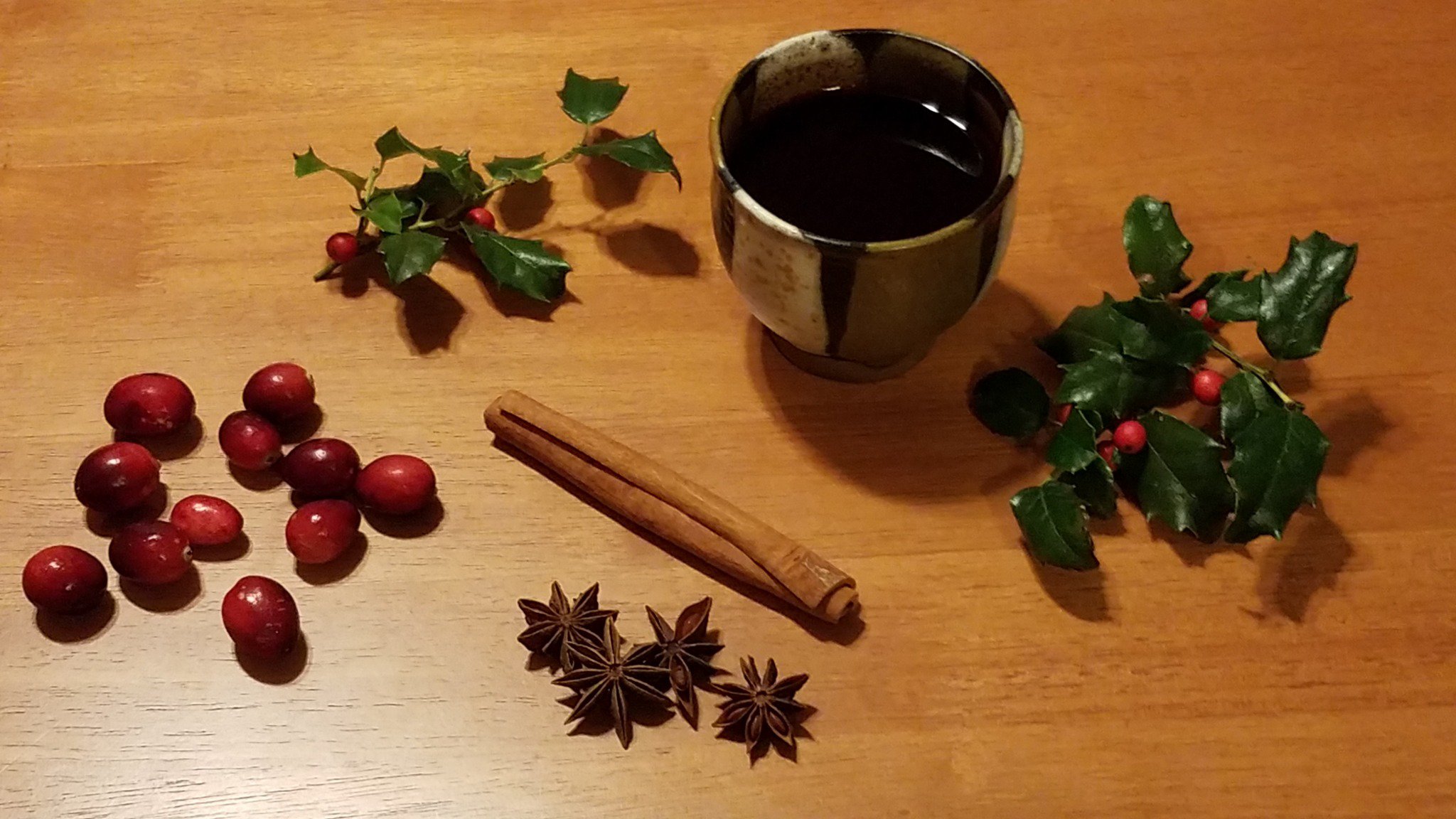
While many of the scholars and artists of the Gwaith-i-Mírdain like to drink hard at parties and feasts, there's always something on the table to enjoy for those who plan to go right back to their research or craft afterwards and want to keep a clear head. Conveniently, this also means humans and dwarves don't have to awkwardly bring up their mortal health and former thralls are never asked to explain that one night in Angband that turned them off alcohol forever to get a good non-alcoholic drink.
Annatar may have his own reasons for appearing to drink more than he actually does. (The danger of losing control and letting the wrong words slip out is ever present in his mind.) As soon as Celebrimbor realizes what he's doing, he always makes sure to quietly fill Annatar's cup from the late-working scholars' wine.
It's too cold in Eregion for citrus and pomegranate to grow out of doors, but there are huge orangeries on the outskirts of the city where the fruits are grown under glass, and in bountiful years, traders from farther south bring boatloads of them upriver.
You can substitute a bottle of red wine for the fruit juices to make the alcoholic version.
Ingredients:
2 cups (475 mls) cranberry juice
2 cups (475 mls) pomegranate-cherry juice
brown sugar or honey to taste
1 cinnamon stick
4-5 star anise pods
5-6 cloves
a few thin slices fresh ginger
dash of nutmeg
dash of allspice
1 orange or tangerine, sliced into rounds
Combine all ingredients except sugar in a large saucepan. If you don't have whole spices on hand, use powdered instead. A couple good dashes should do. Cover with lid.
Heat to a simmer over low heat.
After a few minutes of simmering, taste and sweeten to your liking.
Simmer for half an hour, until flavors have melded.
Serve hot with an orange garnish.
Nan Elmoth Nut Cake
Read Nan Elmoth Nut Cake
"The forest will feed you."
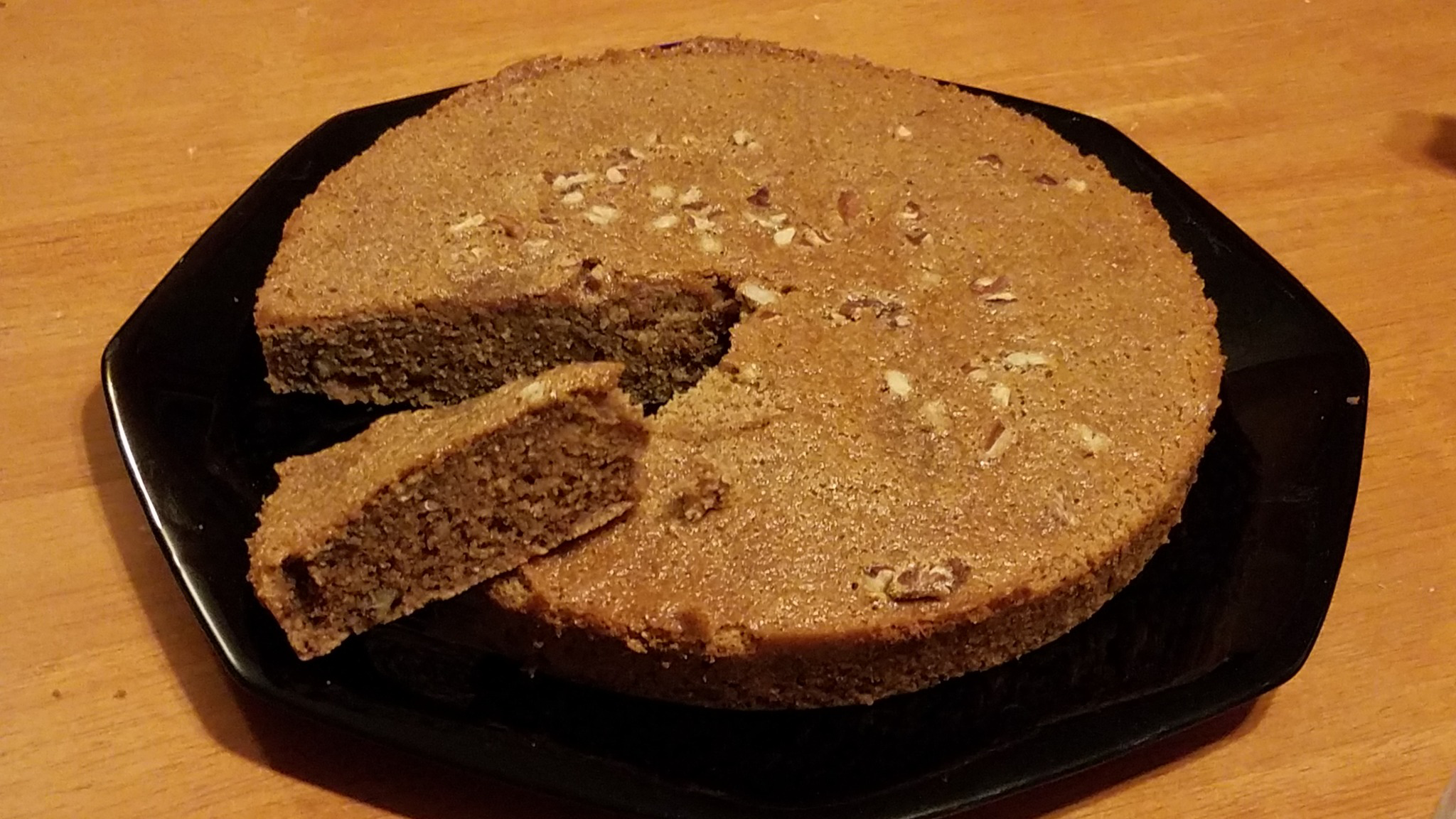
This cake is a traditional food that the woodland elves of Beleriand have made for many long-years, but especially beloved in Nan Elmoth. Eöl himself bakes it for special occasions, and it's one of Lómion's favorite treats. As a child he gets very excited when it's time to go out and collect nuts in the autumn, because it means he'll soon be eating nut cake!
---
I've been working on this all summer, and I'm excited to share it at last! It's my own recipe developed from scratch. I wanted it to be made completely from tree foods (+eggs and salt), and something that might realistically be eaten in a pre-industrial, forest-dwelling society. The only compromise there is the baking powder. Chemical leavening is quite recent; before that cakes would be leavened with yeast or whisked eggs. Egg-leavened cakes like chiffon and genoise take a lot of skill to make successfully and reliably, so the baking powder is to save those of us who aren't quite there. If you want to try this without the baking powder, I'd love to know how it goes; you may need a third egg.
I've based this cake around trees that were historically important food sources in the Appalachian Mountains, where I'm from. Chestnuts, hazelnuts, and acorns have been staples at various times in other parts of the world as well. More notes on sourcing ingredients and substitutions on ao3. (to be added)
Ingredients:
1-1 1/2 cups (150g) chestnut and/or hazelnut flour*
1/2 cup (65g) acorn starch or flour
1 tsp baking powder
1/2 tsp salt
1/2 cup (115 ml) maple syrup**
1/2 cup (115 ml) hickory milk*** or other nut milk
1/3 cup (80 ml) nut oil (or any vegetable oil)
2 eggs
1/3 cup chopped nuts (pecans, black walnuts, or your favorite), plus more for decorating
Preheat oven to 350° F
Let eggs come to room temperature.
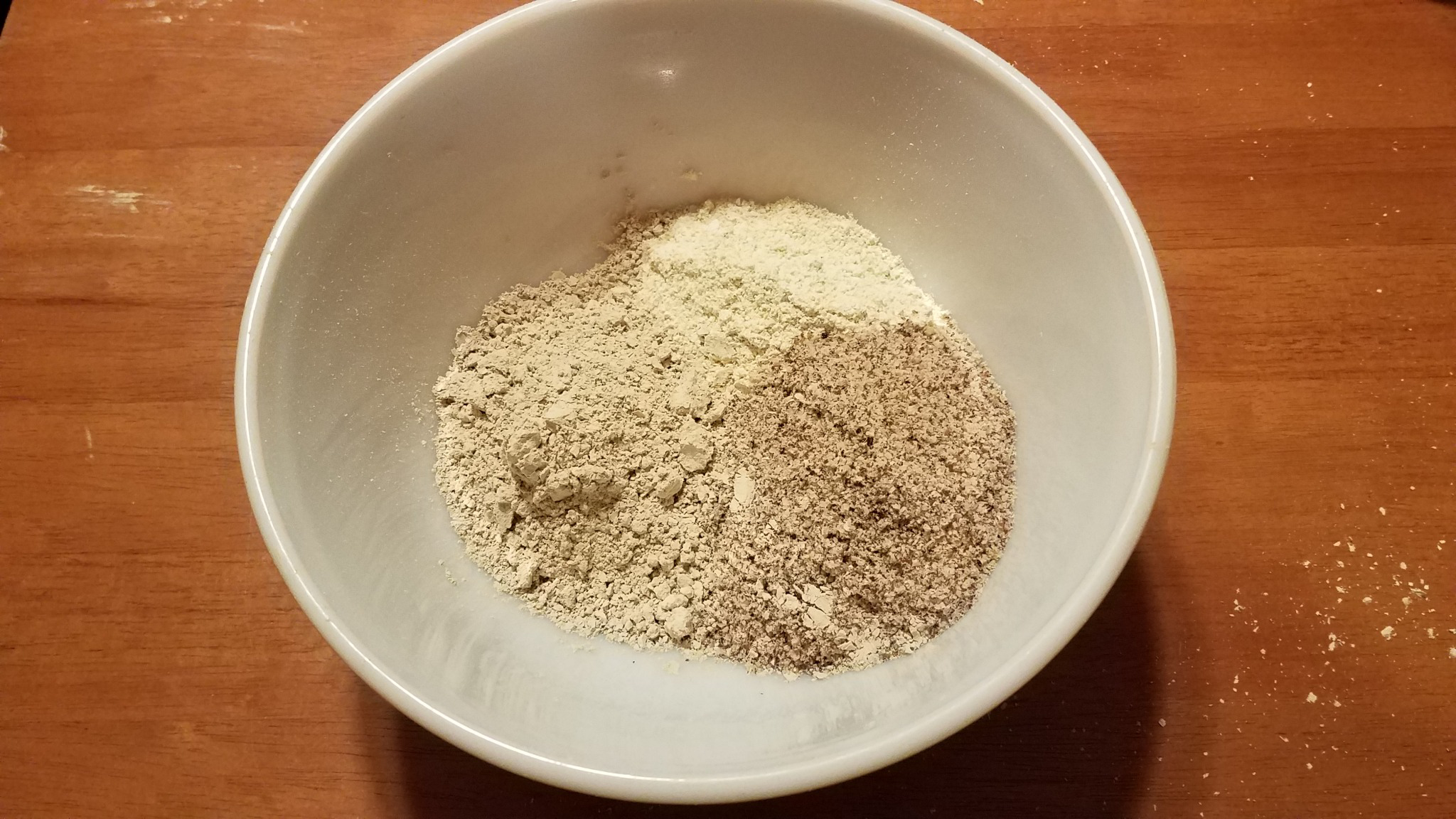
Combine flours, salt, baking powder, syrup, milk, and oil. Stir well.
In a separate bowl, whisk eggs until pale, foamy, and starting to hold their shape (ribbon stage).
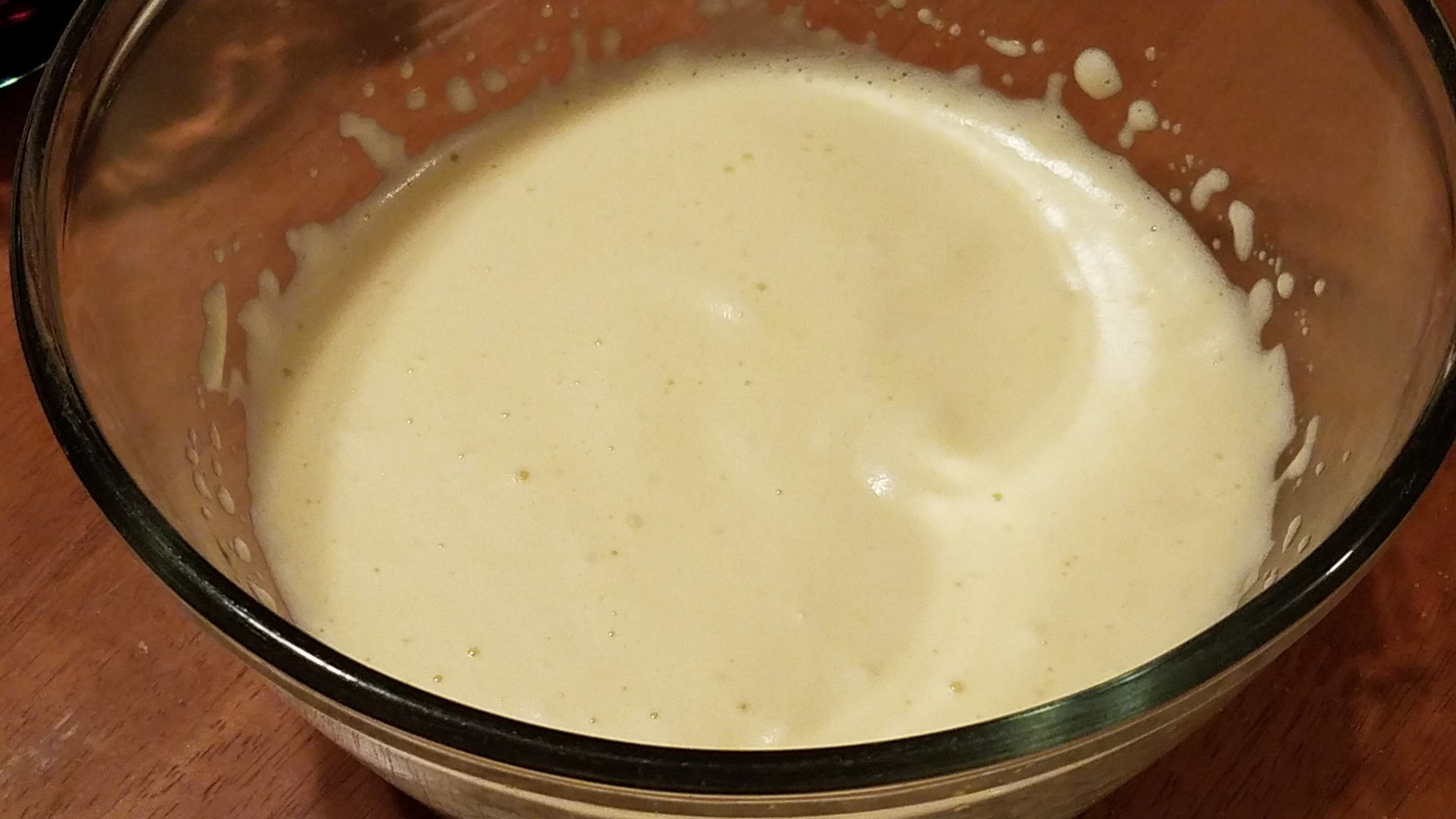
Gently fold eggs into batter.
Fold in nuts.
Gently pour into greased 9" cake pan.
Decorate top with a sprinkle of chopped nuts or some nut halves, if desired.
Bake 30-35 minutes until top is set and a knife inserted in the middle comes out clean.
South Mordor Stewed Fish with Pickled Lemon Couscous
Read South Mordor Stewed Fish with Pickled Lemon Couscous

Nurn, in the south of Mordor, is Mordor's main agricultural region. Here humans and orcs live side by side with varying amounts of equanimity and share much of the same cuisine. Many homes have a lemon tree growing near the front door, and salt-fermented lemons feature in many traditional dishes. Although the Sea of Nurnen is high in salt and other minerals, a few species of fish live there, as well as shrimp, and both are commonly eaten all around the sea. Orcs from the area pack abundant dried salt fish to take with them when they're required to report for military duty and prefer it to Tower-issued rations.
Ingredients:
oil
1 shallot
2 cloves garlic
piece of fresh ginger
1 1/2 tsp cumin
1 tsp smoked paprika
1 tsp turmeric
pinch of chili flakes
1 cup broth
lemon juice
1 tbsp honey
handful green olives
1/2 preserved lemon
2 fillets tilapia or cod
large handful fresh parsley
for couscous:
1 cup broth
1 tbsp olive oil
1 cup couscous
salt
1/2 preserved lemon
handful fresh parsley
handful golden raisins
Chop shallot and garlic. Toss into cast iron skillet with some oil and sauté on low until onions turn translucent. Grate or mince ginger fine and add to pan. Add spices and let cook for a few minutes. Pour in broth and add a splash of lemon juice and honey. Chop olives in half and dice preserved lemon, removing any seeds. Toss into pan and bring to a simmer. Taste and adjust seasonings if needed. Add fish fillets, spoon liquid over them, and sprinkle over chopped parsley. Cover and simmer for 15 minutes, until fish flakes easily.

Meanwhile prepare couscous. Bring broth and a tablespoon olive oil to boil in small saucepan. Turn off heat and stir in couscous. Cover and let sit 5 minutes, until liquid is fully absorbed. Chop parsley and the other half of preserved lemon. Stir these in with some golden raisins and salt to taste (preserved lemons are salty, so you may not need much).
Serve fish on bed of couscous with sauce spooned over it.
Orc Ration Bread
Read Orc Ration Bread
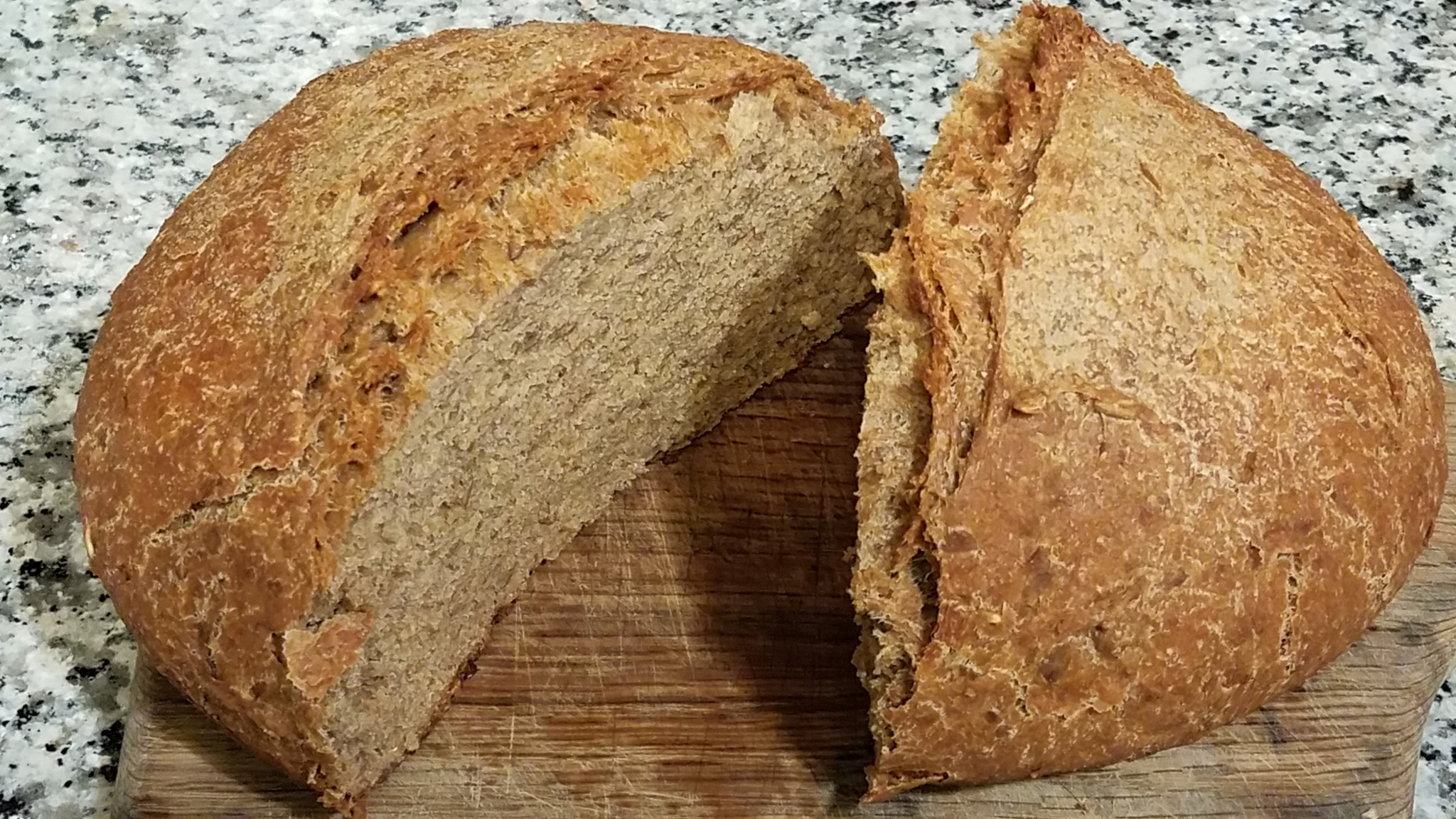
This hearty loaf is handed out to Orcs on military duty in Mordor, as well as those paying their work-tithes to the Eye in other capacities. It's commonly baked for armies on the march, and soldiers may pack several loaves if they expect to be away from their main encampment for a few days. The lentils and whole grains make it a sustaining meal on its own. Often army bakers will repurpose any leftover lentil soup from the evening meal for the next day's bread.
Ingredients:
1/2 c lentils (100g)
3 c whole wheat flour (400g)
1/2 c rolled oats (50g)
1 packet instant yeast (7g or 1/4 oz)
1 1/2 tsp salt
2 tbsp sorghum or molasses
2 tbsp olive oil
cooking liquid from lentils plus water to make 1 c (225 ml)
350° F/175° C oven
Wash lentils and add enough water to cover them. Simmer for 20-30 minutes until soft, adding water as needed. Let cool.
Add dry ingredients to a large mixing bowl. Drain cooking liquid from lentils into a measuring cup and add water if needed to make 1 cup. Add lentils and wet ingredients to bowl and stir until dough comes together.
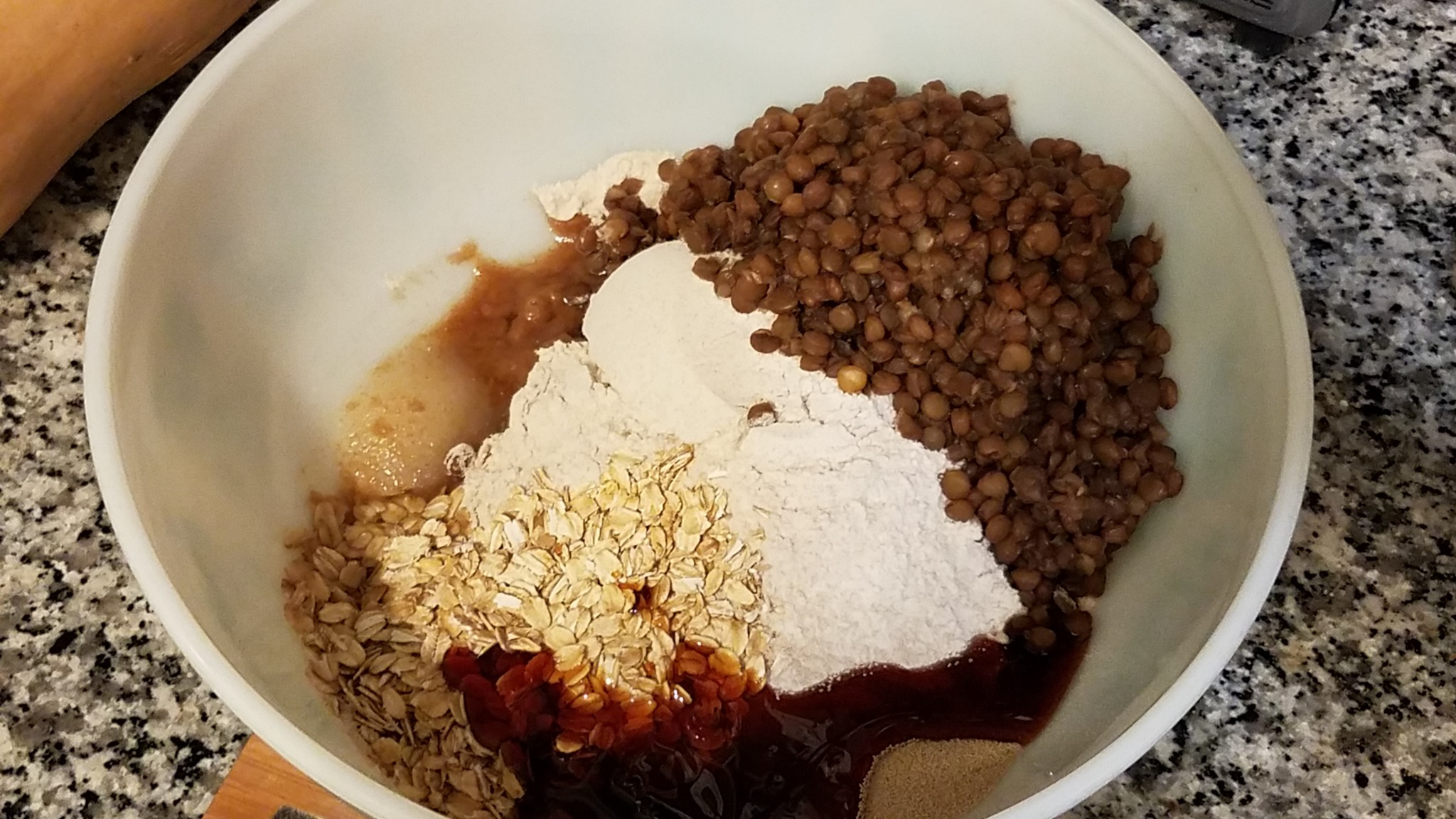
Knead dough for 10-12 minutes or until it stretches instead of tearing. If you're used to making white bread, this will take some extra work. The dough will be sticky and moist; try not to add extra flour. It's ok if it sticks to your hands. I like to knead directly in my big bread bowl to contain the mess. A light sprinkle of flour at the end can help pull the dough into a neat ball.
Pour a tbsp of oil into the bottom of your bowl and toss the dough a few times to coat it, then cover loosely and leave to rise for 1-2 hours or until doubled in size. A long slow rise will give better flavor and texture than speeding things up with heat.
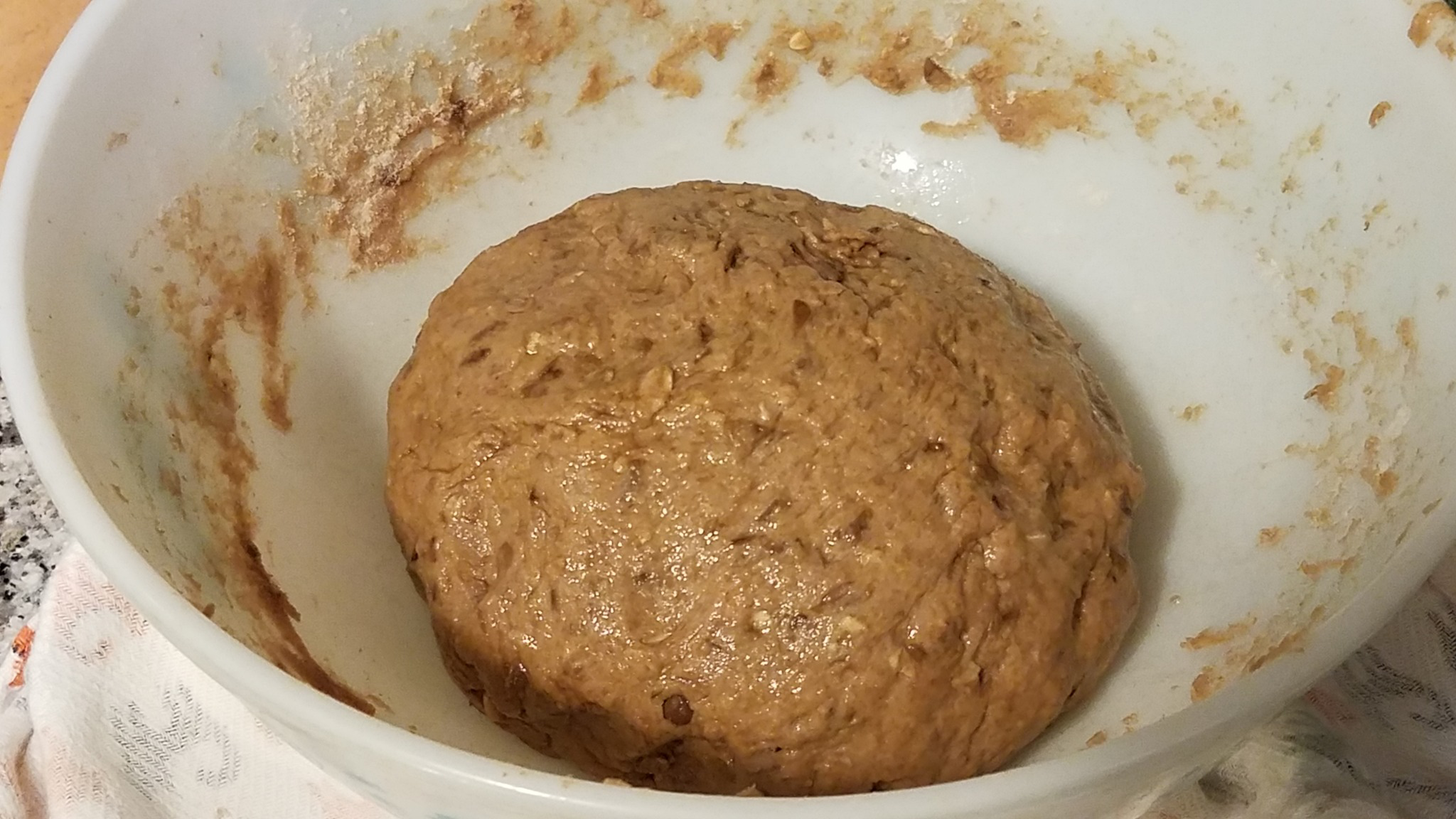
After the first rise, punch the air out of the dough and give it 4 or 5 kneads, then allow to rise another 30-45 minutes until it looks nicely puffy again.
Now you'll shape the loaf. Holding the dough in one hand, tuck the edge of the dough under and pinch together on the bottom, then give it a quarter turn and repeat 5 or 6 times until you have a nice ball. You want to stretch the dough over the top until it's tight and smooth. Return to the bowl and let rise 40 minutes to an hour. It should be about doubled.
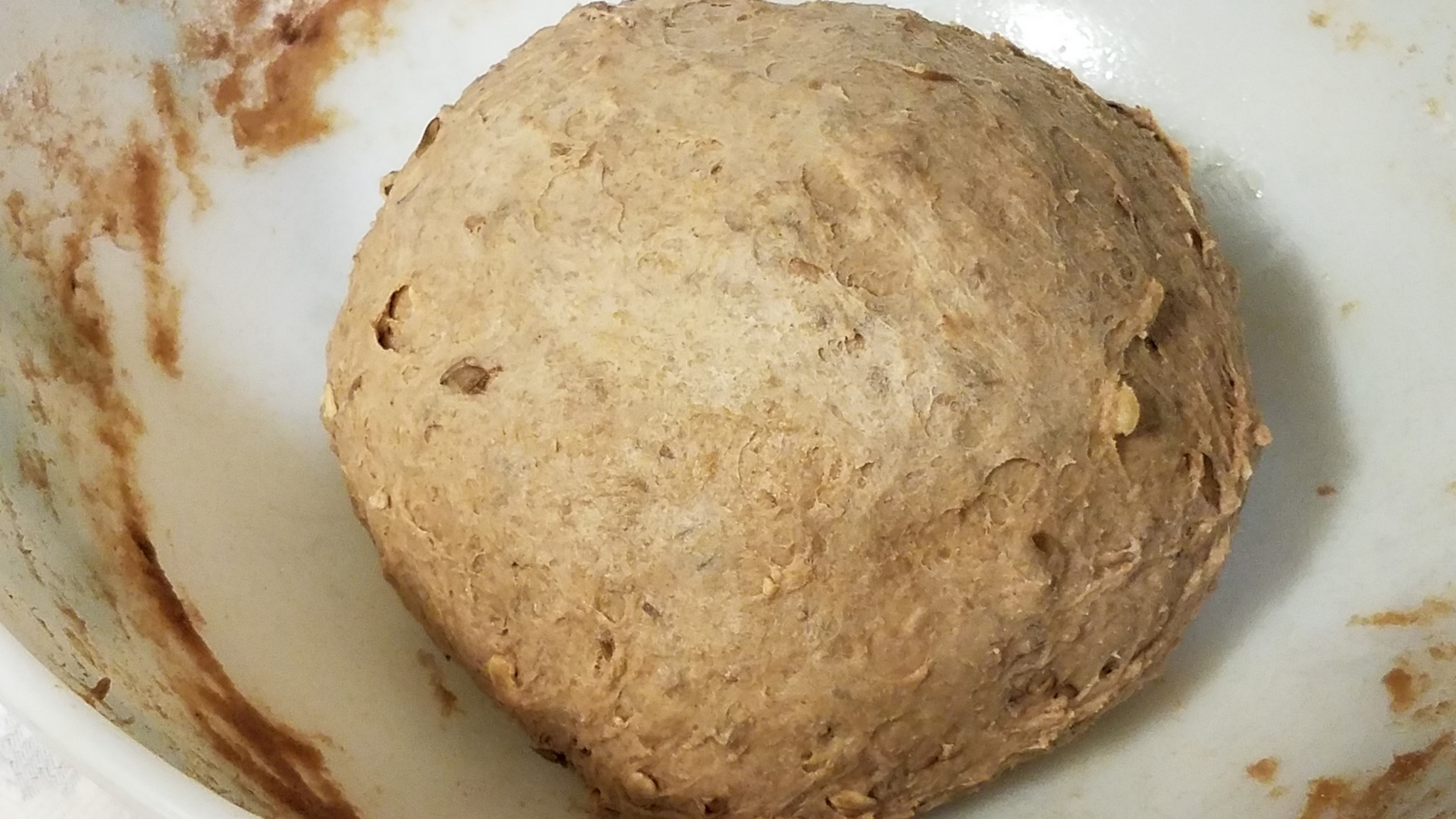
In the last 15 minutes of the rise, preheat oven to 350° F (175° C). If you have a Dutch oven, oil it and put it with the lid in the oven for the whole preheat. (If not, you can bake it on a tray, but the Dutch oven holds in steam for good results and replicates baking in campfire coals in the field.) When oven is hot, gently lower loaf into the Dutch oven, slash the top, and cover. If you prefer, you can set the loaf on a sheet of parchment paper when you form it and use that to lower it in.
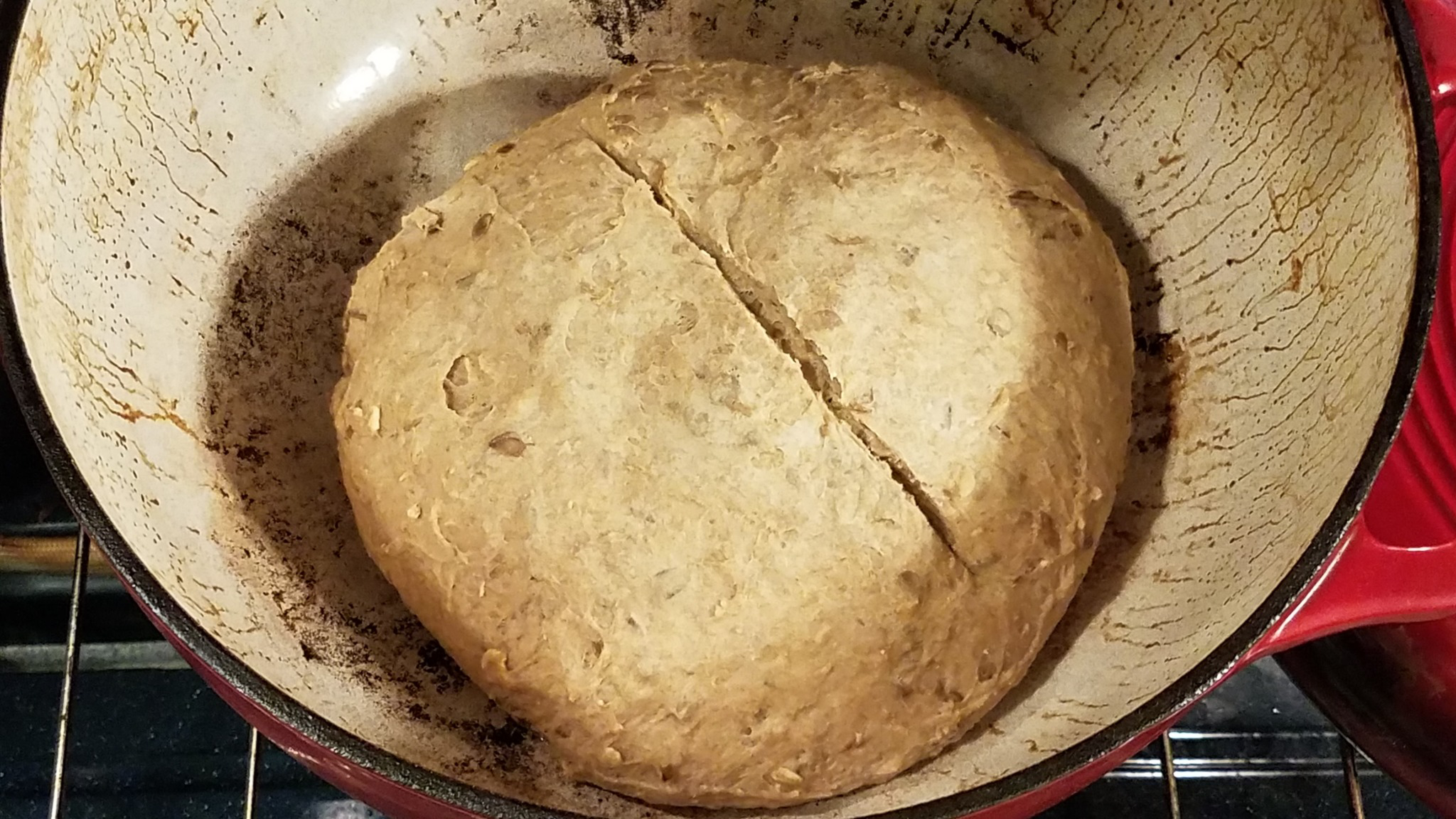
Bake for 60 minutes to an internal temperature of 200° F/93° C. You can remove the lid for the last 15-20 minutes for a crunchier crust. Allow to cool for at least ten minutes before slicing.
Enjoy!

